
The Allure of Risk and Reward
The psychology of casino gambling is deeply intertwined with the concepts of risk and reward. The thrill of potentially winning a significant amount of money often outweighs the fear of losing it. This risk-taking behavior can be linked to the brain’s reward system, which releases dopamine—a neurotransmitter associated with pleasure—when individuals engage in risky activities. For many, this creates an addictive cycle where the exhilaration of gambling continues to draw them back, regardless of the negative consequences that may follow. Interestingly, some players explore options like sport betting canada as a way to enhance their gambling experience while navigating the excitement of potentially striking it rich, leading individuals to underestimate the financial risks involved.
Moreover, the excitement found in gambling is often amplified in the casino environment. Bright lights, sounds of machines, and a general atmosphere of celebration create a sensory experience that keeps players engaged. This environment is deliberately designed to evoke feelings of euphoria, thus reinforcing the desire to gamble. The brain interprets these stimuli as rewards, leading individuals to associate the casino with heightened emotions and pleasurable experiences. As players immerse themselves in this stimulating atmosphere, the anticipation of winning becomes a powerful motivator, overshadowing the reality of losing.
Additionally, the concept of near-misses plays a crucial role in the psychology behind casino gambling. When players come close to winning, such as hitting two out of three symbols on a slot machine, they may feel a false sense of accomplishment. This phenomenon can trigger the same neurological responses as a win, encouraging players to continue betting in hopes of achieving that elusive victory. As a result, individuals often underestimate the odds and feel compelled to keep gambling, leading to a cycle of repeated play that can become increasingly damaging. This false sense of hope can be particularly insidious, as it keeps players engaged even when their bankroll is dwindling.
The Role of Cognitive Biases
Cognitive biases heavily influence how gamblers perceive their chances of winning. One prevalent bias is the “gambler’s fallacy,” which is the mistaken belief that previous losses increase the likelihood of a future win. For example, a player may think that after several consecutive losses on a roulette table, a win is imminent, leading them to bet more aggressively. This misjudgment can establish a dangerous cycle, where individuals believe that they can outsmart the odds based on their experiences rather than understanding the statistical realities. Such biases can cloud judgment, leading to decisions that are not based on rational thinking.
Another critical cognitive bias is confirmation bias. Gamblers often seek information that supports their beliefs about winning while ignoring data that contradicts those beliefs. This selective perception can lead to an overestimation of their abilities and an underestimation of the house edge. Consequently, players may continue to gamble despite experiencing significant losses, as they focus on the moments of victory, no matter how infrequent they may be. This cognitive distortion can create a false narrative surrounding their gambling experiences, making it challenging for them to step back and evaluate their habits objectively.
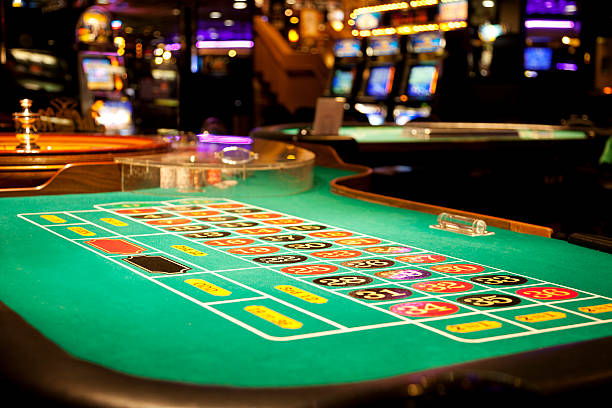
Moreover, the illusion of control also plays a significant role in gambling behavior. Many players believe that they can influence the outcomes of games through their strategies or choices, even in completely random events like slot machines or roulette. This belief can lead to increased gambling, as players feel empowered and convinced they can turn the tide of fortune in their favor. However, this illusion is a cognitive trap that can lead to prolonged gambling sessions and severe financial repercussions. By overestimating their influence over random outcomes, players may find themselves caught in a cycle of chasing losses, further entrenching their gambling behavior.
The Emotional Rollercoaster of Gambling
The emotional aspects of casino gambling are profound and multifaceted. Players often experience a wide range of feelings, from exhilaration to despair. The act of gambling can serve as an emotional escape, providing individuals with a temporary reprieve from their everyday lives and stresses. This escapism is a powerful motivator and can lead to patterns of compulsive gambling, as players seek out the feelings of happiness and excitement they associate with winning. Such emotional highs can create a desire to relive those moments, leading to repeated engagement with gambling activities.
Additionally, the emotional highs and lows of gambling can create a cycle of addiction. When players experience a win, even a small one, it triggers a release of dopamine, reinforcing their desire to gamble again. Conversely, losses can lead to frustration and regret, prompting players to chase their losses in hopes of recovering their money. This emotional rollercoaster can trap individuals in a cycle where their self-esteem is tied to their gambling success, further complicating their relationship with gaming. The emotional investment in gambling can also make it difficult for individuals to recognize when their behavior has become problematic.
The social aspect of gambling also influences the emotional experience. Many individuals gamble in groups, sharing the highs of wins and the lows of losses with friends or family. While this social interaction can enhance the enjoyment of gambling, it can also lead to peer pressure and encourage excessive play. The desire to fit in or impress others may compel individuals to gamble beyond their limits, further entrenching them in the emotional turmoil associated with gambling behavior. This social dynamic can create an environment where unhealthy gambling habits are normalized, making it harder for individuals to seek help.
The Impact of Casino Design on Behavior
Casinos are meticulously designed to enhance the gambling experience and influence player behavior. The layout of a casino is often labyrinthine, making it easy for players to lose track of time and forget their initial intentions. This spatial design encourages prolonged gambling sessions, as players may feel compelled to explore every area and try out different games. The absence of clocks and windows further exacerbates this effect, creating an environment where time seems to stand still and encouraging individuals to gamble for extended periods. Such design strategies are intentional, maximizing player engagement and financial returns for the casino.

Furthermore, casinos use specific colors, lighting, and sounds to create an inviting atmosphere that stimulates excitement and engagement. The sounds of winning—such as ringing bells and celebratory music—often play in the background to reinforce positive feelings associated with gambling. This sensory overload can be particularly enticing and entice players to continue betting, as they associate the environment with fun and excitement. The strategic use of these sensory cues is an integral part of casino marketing, designed to keep players entranced and engaged. By manipulating these environmental factors, casinos can create a compelling narrative that draws players deeper into their gaming experience.
Beyond just the physical environment, casinos also employ psychological tactics to encourage gambling. Loyalty programs and rewards systems create a sense of belonging and value, making players feel appreciated and incentivizing them to return. By creating an emotional connection with players, casinos can foster a sense of loyalty that keeps individuals coming back, even during difficult financial times. This psychological manipulation underscores the complexities of gambling behavior and highlights the various forces at play in casino environments. The interplay between design, psychology, and player behavior reveals the intentional strategies employed by casinos to maximize their profits.
Understanding Responsible Gambling
Understanding the psychology behind casino gambling is essential for promoting responsible gaming practices. Awareness of the cognitive biases, emotional triggers, and environmental influences can help individuals recognize when their gambling may become problematic. By fostering a better understanding of these psychological aspects, players can develop more informed and healthier relationships with gambling, ensuring it remains a source of entertainment rather than a destructive force. Education about the risks associated with gambling can empower individuals to make more conscious choices about their gaming habits.
Many resources are available to support responsible gambling, including self-help tools, counseling services, and educational programs. These initiatives aim to equip individuals with the knowledge and skills necessary to make informed decisions about their gaming activities. By proactively seeking help and information, gamblers can learn to recognize the signs of addiction and take action before it becomes a severe issue. Access to these resources is crucial for fostering a culture of responsibility within the gambling community.
Ultimately, understanding the psychological underpinnings of casino gambling can empower individuals to navigate the complexities of this activity more effectively. With increased awareness and access to resources, players can better manage their gambling habits, enjoy the social and entertainment aspects of casinos, and avoid the psychological pitfalls that can lead to serious consequences. This balance is key to ensuring that gambling remains a pleasurable pastime rather than a harmful obsession. By promoting responsible gambling practices, the casino industry can contribute to healthier gaming environments for everyone involved.